
Stefanfarms’ Kitchen Table
Our Favorite Recipes
& Canning Resources
Jump to a recipe/interest
Bread | Pumpkin | Squash | Canning | Biscuits | Soup/Stew | Vegetables | Quick-Bread | Dip-and-Sauce
Food, Cooking, and Keeping It Real
As you can imagine, we talk a lot about food, cooking, and canning at the Market. We love hearing about all the amazing dishes our customers create! Ironically, when we have the most vegetables, I often don’t have time for a lot of kitchen things. Over time, and with the help of some appliances and canning/freezing, this got easier. I’ve also learned to create dishes that work with crazy schedules. Hopefully, I can help you with that, if you need this too.
We tried sharing recipes here for a while, and it was fun, but things have changed. Let's be honest, if you want a fun, delicious recipe, you can find a million of them online now. Food blogs, apps, videos – you name it, it's out there. And frankly, that's not really my thing, and I certainly don't have the time for it.
What I'm finding people really need are solid guidelines for the basics. Ironically enough, we meet so many folks who are just starting out with cooking, people who are terrified of baking, and others who are eager to try canning but don't know where to begin. The days of just needing recipes are over. Now, we need help figuring out what information we can actually trust.
This is where I can help. Especially with canning, we need safe sources. There are far too many videos and groups sharing downright dangerous methods. Don't risk your family's health on that. People will defend their methods, and there are many reasons, but none of them are good. I had to unlearn everything I thought I knew about preserving food and start from scratch. And I'm so glad I did. It's basic science. Once you understand it, you can confidently preserve your food. And that is my thing! It's real food security: knowing what's in your jars, your freezer, on your table, even when it's not in season. You know you have good food in your pantry, no matter what.
We also need simple, tasty recipes for those busy days – "What's for dinner?" when you've been working all day. Too often, we grab something unhealthy when we need food that supports our health and energy the most. We've been there too, believe me. It's tough to cook when you're not even home.
That's what this page is all about: the real, practical stuff. When you scroll further down, you will still find some of the shared recipes from long ago. But I have since pivoted towards basics, with instructions. Just like with canning and many other things, once you understand the science and the patterns, you realize that many, many more recipes are just variations of the same thing. Let me know what you would like to see, or need.

Nature’s Fast Food
Salads, Soups, and Stew Basics
Salads are just amazing, aren't they? You can throw together endless combinations, and the dressings are where you can really get creative.
Add a little protein, some fresh bread and butter or cheese, biscuits – anything like that – and you've got yourself a full meal. Perfect when it's hot, and honestly, pretty great even when it's not. And you know, dressings are so easy to whip up yourself, or just grab your favorites from the store.
Now, when it gets chilly, those same ingredients can turn into a quick soup. Or, with less liquid, a hearty stew. Just swap out your salad dressing for your favorite spices, and you're good to go.
For soups and stews, root vegetables are your best friend. Some people roast a whole tray of veggies and blend them until they're just the right consistency. A drizzle of oil and/or a splash of your favorite milk is perfection. For the liquid, you can use any broth you like, or even just plain water.
And don't forget the finishing touch: sprinkle some seeds or nuts on top for a little extra crunch and flavor. There's no wrong way to do it. Just go with what you enjoy! Great to prepare ahead, too.
When it comes to salads, you really can use just about any combination of vegetables you like. Even things you might not normally eat raw can turn into amazing salad ingredients. Think potato salad or bean salad, for example.
You might find shredded carrots work well, but sometimes they can be a bit too firm. The same goes for broccoli, for instance. But don't worry, blanching is all you need to make them perfectly tender for a salad.
Blanching is super simple: just dip your vegetables in boiling water for a short time. That's it!
Canning Resources
The irony is, that to be able to sort good from bad information, you have to have some basic, correct knowledge to the level of recognizing which one is which. Until then, the best salesperson wins -or the loudest…
Reliable Resources for Food Preservation
For food security, canning, and drying, I highly recommend the YouTube channel Rose-Red Homestead. This lady worked for years as a scientist and tested the safety of electric canners herself. She was the first to explain the science of canning to me in a way that made sense after I had chased trustworthy answers for decades.
Crucial Tip: Even the best creators make mistakes. I’ve found typos in the Ball Book and errors in professional videos. This is why you must learn the science—the "do’s and don’ts"—so you can spot an error before it ends up in your jar.
Your Most Reliable Resources:
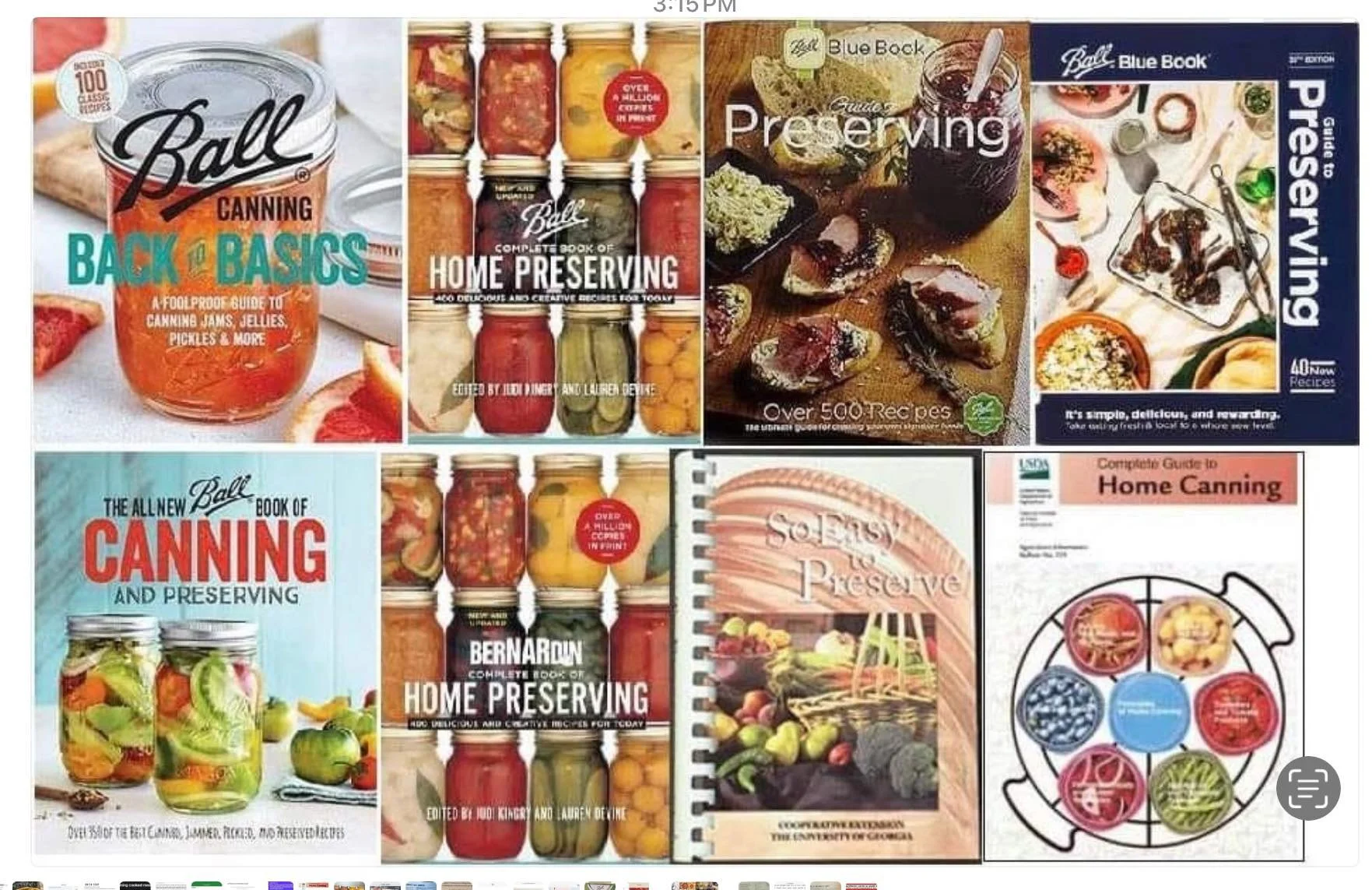
USDA Complete Guide to Home Canning: Available free online. This is my ultimate authority for checking recipe accuracy. I keep a physical book copy in case the power goes out.
Ball (or Bernardin) Blue Books: Ensure they are no more than 12 years old. Watch for fraudulent/fake copies on Amazon—real versions are thick, high-quality books.
National Center for Home Food Preservation: The definitive source for safe practices.
HealthyCanning.com: An excellent resource that even tracks corrections and updates to major canning books.
University Extension Offices: Reliable science-based info from Colorado State, University of Maine, andPenn State (specifically their list of foods NOT safe for canning).
Community & Recipes:
Facebook Group: “Ball Home Canning Community” — I’ve tried several; this is the one that stays focused on safety. Bonus, no drama or very little, and you can actually ask. But do please use the search function; there is a good chance most things have already been discussed. This saves you time.
Tested Recipes: Ball Mason Jars Recipes and Safe Canning Recipes Blog.
Remember: Food preservation is a science. Always double-check your sources. Your family’s safety depends on it.
Current Standards for Safe Canning
In canning, updated information matters. Science evolves as we learn more about food safety. Whether you are checking if your old canning book is still valid or looking for a new one, these are the current, tested authorities.
A "tested" recipe provides exact ingredients, processing times, and methods to ensure a safe product. You can find these recipes and safety guides here:
State Extension Agents: Your local university specialists.
The Recommended Bookshelf:
Ball Blue Book (38th Edition) * The All New Book of Canning & Preserving
Ball Back to Basics
Ball Complete Book of Home Preserving
So Easy to Preserve (University of Georgia)
New to Canning? Start here with this foundational video from Ball on Water Bath Canning Basics.
Have fun, and you’re welcome to ask me if you have questions. All the above links are rabbit holes. Isn’t it wonderful!
The Irony of "Exactness" A tested recipe gives you exact directions, but let’s be honest: they often tell you to use a "medium onion" or a "small pepper." It is slightly infuriating to be lectured on scientific exactness and then be given a measurement that is entirely subjective.
It turns out, the scientists in the labs do have a weight in mind; they just don't always put it on the page. To keep your pH levels safe and your sanity intact, here is the "secret" code for those measurements:
A "Medium" Onion: 5–8 oz (This should yield about 1 cup chopped).
A "Medium" Bell Pepper: 5–6 oz (Also about 1 cup chopped).
The Market Rule: Generally, 3 medium onions or 3 medium peppers will weigh about 1 pound.
My advice? Follow the science, but keep your sense of humor. If you don't have a kitchen scale, use the "1-cup" rule as your guide. And don't be surprised if the number of jars they say you’ll need is completely different from the number of jars you actually fill. That is just the "Row Gossip" of the kitchen.
The Dressing "Cheat Sheet"
If you don't have a bottle in the fridge, use the 3-2-1 Rule: 3 parts oil, 1 part acid (vinegar or lemon), and a little "glue" (not literally!) to hold it together or help it emulsify. This means a little mustard or herbs or veg puree, yoghurt etc, plus seasonings like salt pepper, something sweet, even fruit
The Classic: Olive oil + Apple Cider Vinegar + a spoonful of Mustard (the "glue").
The Creamy (Stealth): Plain Yogurt + Lemon Juice + Herbs (Dill or Chive). Great for those blanched veggies.
The Umami: Neutral oil + Soy Sauce + Ginger. This works for both the Salad and the Stir-fry path.
Vegetables: From Garden to Table
Growing the food is the hard part; eating it should be the easy part. If you’ve ever looked at a harvest and thought, "I don't know how to cook this," remember that every vegetable generally follows one of six simple paths.
1. Raw, Blanched + Dressings (or the Quick Stir-Fry) If it’s crunchy and fresh, it’s a salad... but only if you like salads.
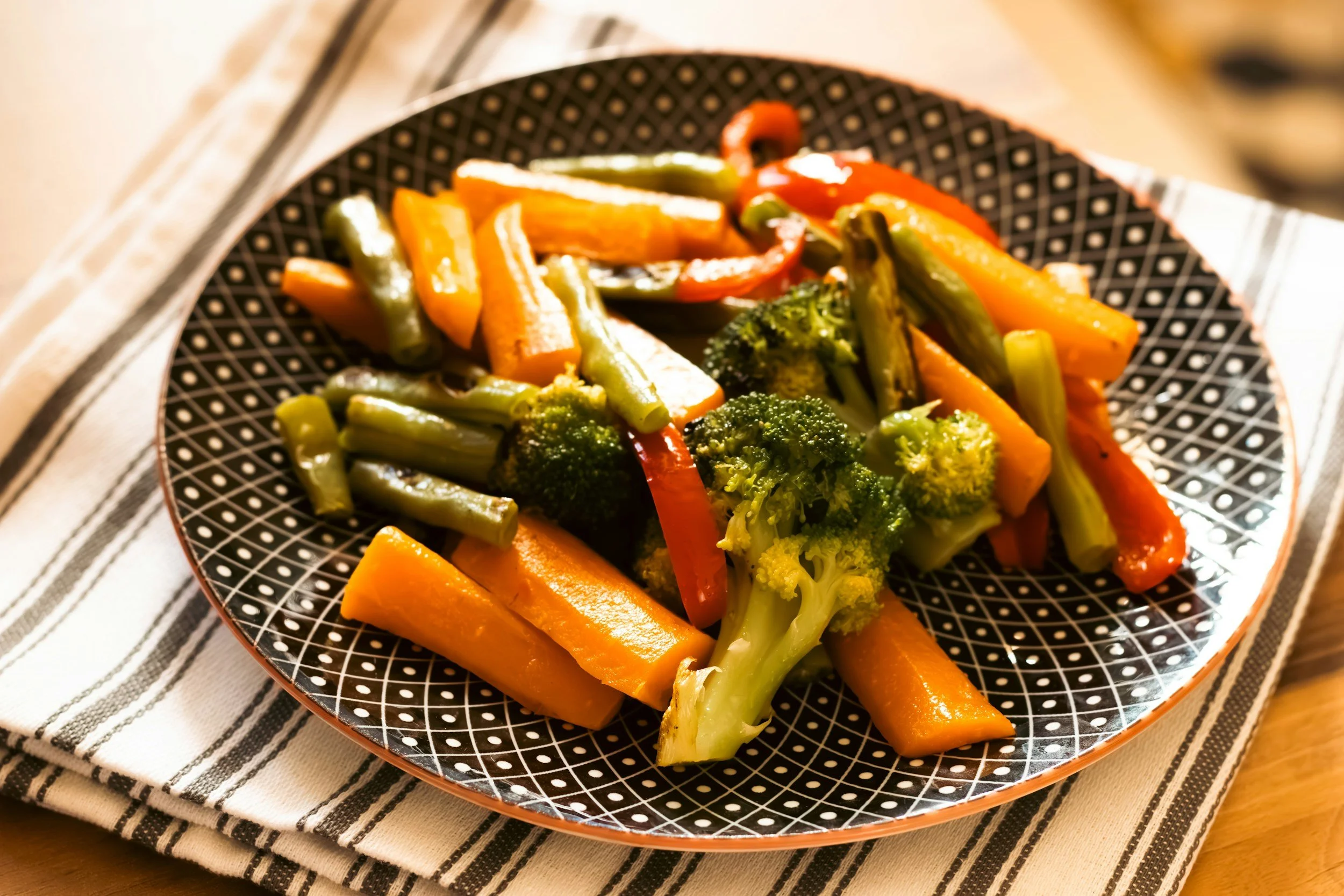
The Process: Don’t be afraid to blanch firm vegetables (green beans, broccoli, asparagus) for 60 seconds to make them "salad-ready." If you aren't a salad fan, toss those same crunchy veggies into a hot pan with a little oil and ginger for a 2-minute stir-fry instead.
The Dressing/Sauce: Use any dressing you like, or a splash of soy sauce for the stir-fry. If you ferment, try a "Living Dressing"—blend your fermented brines or vegetables with oil. It’s an easy way to get them onto the plate.
2. The Quick Steam The "Gentle" path to take the raw edge off while keeping nutrients intact.
The Process: A few minutes over boiling water, a pat of butter, and a pinch of salt. Fast and clean.
Pro-Tip: These are great with a little cheese melted quickly under the broiler—perfect for "vegetable skeptics."
3. The High-Heat Roast The "Sweetness" move. This is how you turn skeptics into fans.
The Process: Toss root vegetables in oil and roast at 400°F (200°C) until the natural sugars caramelize. It turns garden produce into "vegetable candy." (And it’s perfectly okay to help those sugars along with a little drizzle if needed!)
4. The "One-Pot" Casserole The "Grand Unifier." When you have a bit of this and a bit of that, put them together.
The Process: Mix your vegetables with a starch (rice, pasta, or potatoes) and a protein. Tie it all together with a simple sauce or a handful of cheese and bake. It’s the ultimate "odds and ends" meal.
5. The "Kitchen Gold" Soup If it’s wilting, or if you simply have too much of it, it goes in the pot.
The Process: Refer to the Soup Section. Almost anything from the garden can be transformed into a meal once you add a good broth base. This is also a great way to prep for the freezer.
6. Juice or Ferment The "Preservation" path for the overflow, other than canning
The Process: If you can’t eat it today, juice it for a nutrient boost or jar it up for a summer-to-winter ferment. Juice can also be frozen if you'd rather "drink your vegetables."
Bread
My favorite Yeast Dough.
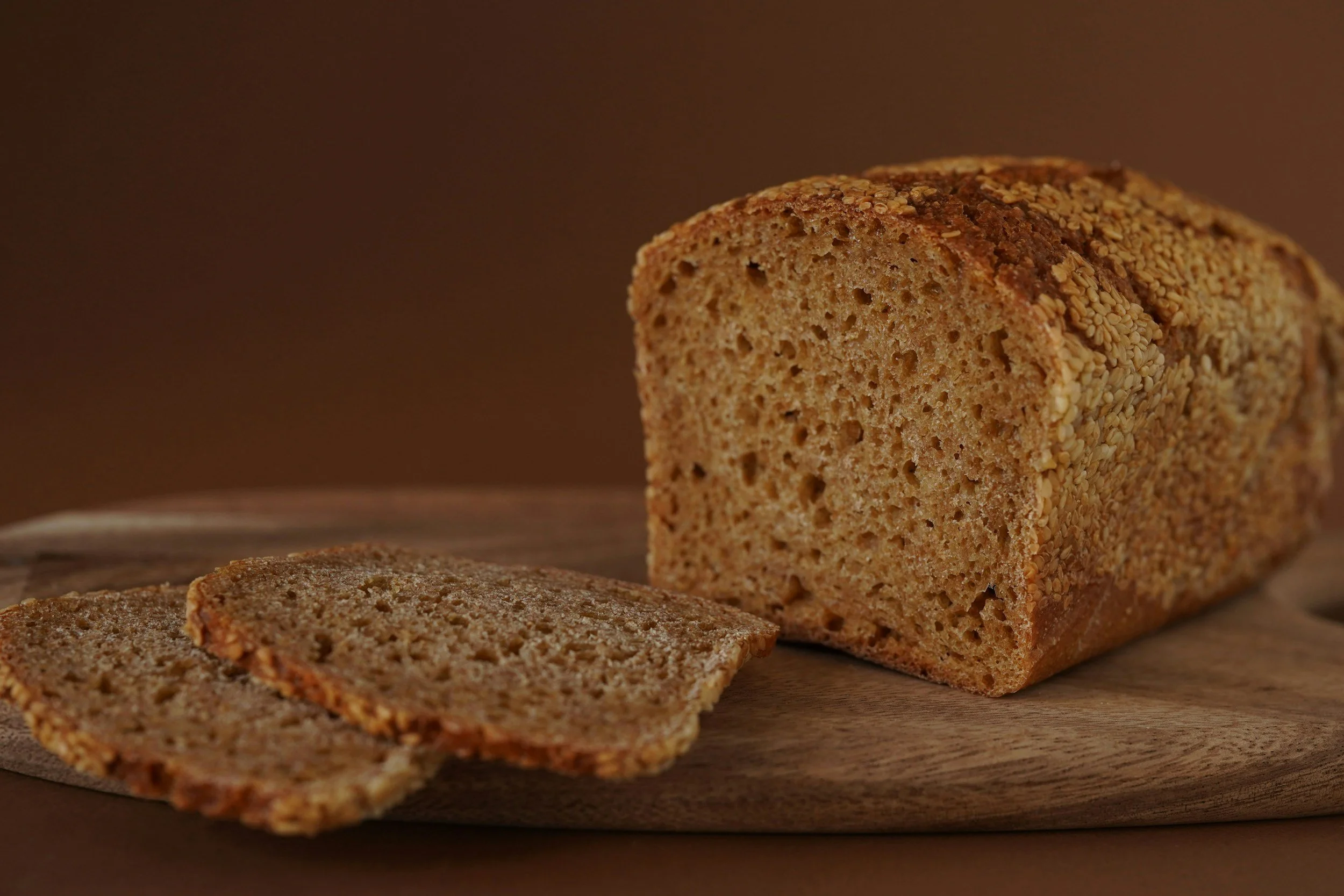
Our "Go-To" Bread (Dough): The Kitchen Foundation
Bread, Pizza, Rolls, and More!
This is the bedrock of our kitchen. I might start the day thinking "rolls" - or bread and end up making pizza. Or cinnamon rolls, or use some for a pie crust too. Having a basic yeast dough ready is the ultimate kitchen hack.
The Farm Kitchen Hack: In a pinch, toss a piece of dough into a waffle iron for super-fast fresh bread. Treat it like bread or a waffle—it’s delicious either way.
The Essential 5/6 (Ingredients)
Works by hand, bread machine, or stand mixer.
1 1/4 cups Water (Warm)
4 – 5 cups Flour (Bread or All-purpose)
1 – 2 TBSP Sugar (To feed the yeast—it'll disappear!)
1 – 2 tsp Salt
2 – 2 1/2 tsp Yeast (Active dry)
Optional: A splash of EV Olive Oil or melted butter. Add this when the dough looks "shaggy" to help it come together; it's best when it still needs a little more liquid.
How do you know that you have a good dough? - It will come off the sides of the bowl and not be sticky, but hold together. It will be elastic and bounce back when you push it a little. It will be smooth.
How much flour do you need for # person? I found that about one cup of flour per person, plus one or two extra for good measure (or leftover), works perfectly.
Notes: (What the recipes don’t tell you)
The "Vagueness" is the Secret: Dough varies with humidity and temperature. I measure the flour but keep some back to sprinkle on top while it rises. This prevents drying and allows for adjustments. Aim for "just right," but remember: a slightly wetter dough rises easier than one that is too dry.
The Science of Salt & Sugar:
Sugar: Feeds the yeast. I like a little more than it uses up. Besides taste, it helps with crust color
Salt: It’s not just flavor; it’s a dough conditioner. It controls the yeast and strengthens the gluten.
A Note on Yeast: Most recipes use way too much. If you overdo it, you’ll smell a slight sourness, often already during the rise, and the bread will taste "off" after a day. Less is more.
The Bake:
The Scent: Ideally, you want notes of caramelized crust and toasted grain.
The Texture: A fluffy cloud inside that pulls apart into long, soft strands.
The Crust: * 400°F: Softer, lighter crust.
425°F+: Crunchier, darker crust.
Pro Tip: Start at 450°F for a few minutes to set the crust, then turn it down to ensure the center cooks through.
The "Done" Test: You know your bread is done when an internal thermometer shows 190°F - 205°F. No more guessing.
Versatility Note: Swap water for milk and add an egg for a "sweet bread" dough. You can also use this for fried dough or doughnuts. For added health, I often swap in 1/2 to 1 cup of whole grain or rye flour (this will make it denser).
The Method
Mix & Knead: Mix until smooth and elastic. If using a KitchenAid, keep it on Speed 2 for heavy dough. Don't punish your machine (or yourself) by kneading for 10 minutes—just mix until it clears the bowl and isn't super sticky. The Goal: It should feel like Play-Doh (smooth, pliable, stays together). The Limit: It should leave your hands clean (not sticky).
First Rise: Let it rest in a warm spot until doubled.
The "Beat Back": Beat the dough down, let it rise a second time, then shape.
Final Rise & Bake: Shape into loaves or rolls (fold them over and under for a perfect shape), let them rise one last time until about half their size, and bake. Chef’s kiss.
Equipment Truths
The Bread Machine: I love mine. Use just the "Dough" setting if you want to bake in the oven (much faster), for rolls or anything not-bread if you don’t have a KitchenAid. This is much faster, but the machine’s special gift is the complete hands-off. Look for these secondhand—basic models are just fine.
The Stand Mixer: I love this too, and use it at least once a day. We finally added an old-model KitchenAid from Marketplace. Older is often better, but with any model: never go above speed 2 for bread dough.
(A good to know, these Kitchen Aid stand mixers are fairly easy to maintenance and fix yourself)

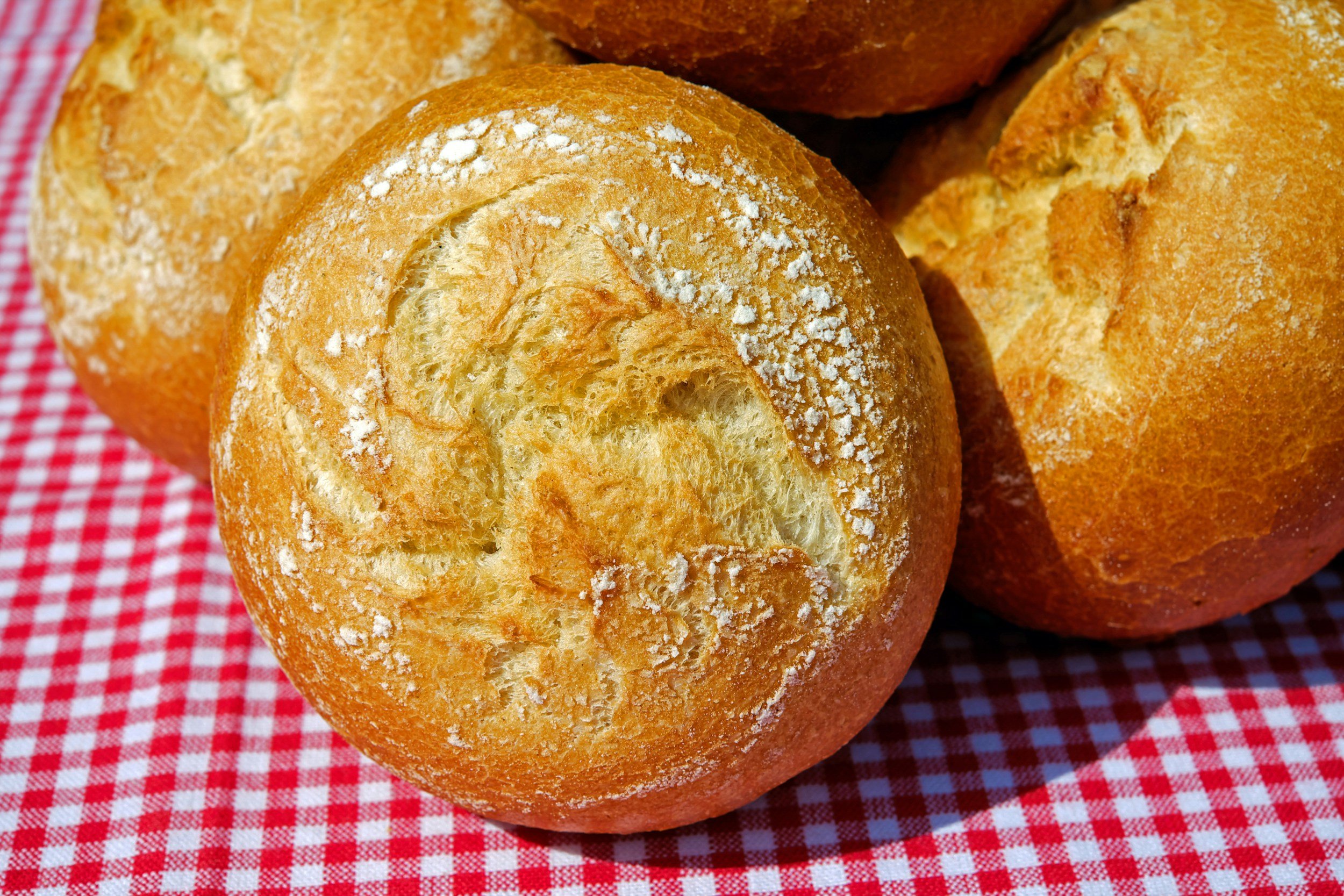


from Sugar Spun Run with video
Our favorite Biscuits
Our Favorite Biscuits: A Meal in Minutes!
Biscuits are one of those magical things that turn any meal into something special. They're quick, easy, and oh-so-delicious.
And you know, of course, that biscuit dough isn't just for biscuits! It's also fantastic for fruit pies or pot pies, and it makes wonderful dumplings too. It's lighter and fluffier than a regular pie crust.
The Pro Secrets: The ingredients are simple, but the technique is where people trip up:
Keep it Cold: Everything needs to be really cold (butter, milk, and bowl).
Don't Overwork it: You can very easily overwork the dough, especially with warm hands. If the butter melts into the flour instead of staying in little chunks, you lose the flake.
The "Cheat" Code: Using a food processor is not cheating! Careful pulsing is actually a great way to keep the fat cold and avoid over-handling the dough.
Other than that, it's another super quick, easy, and budget-friendly recipe!
Soups, Stews, and the In-Between
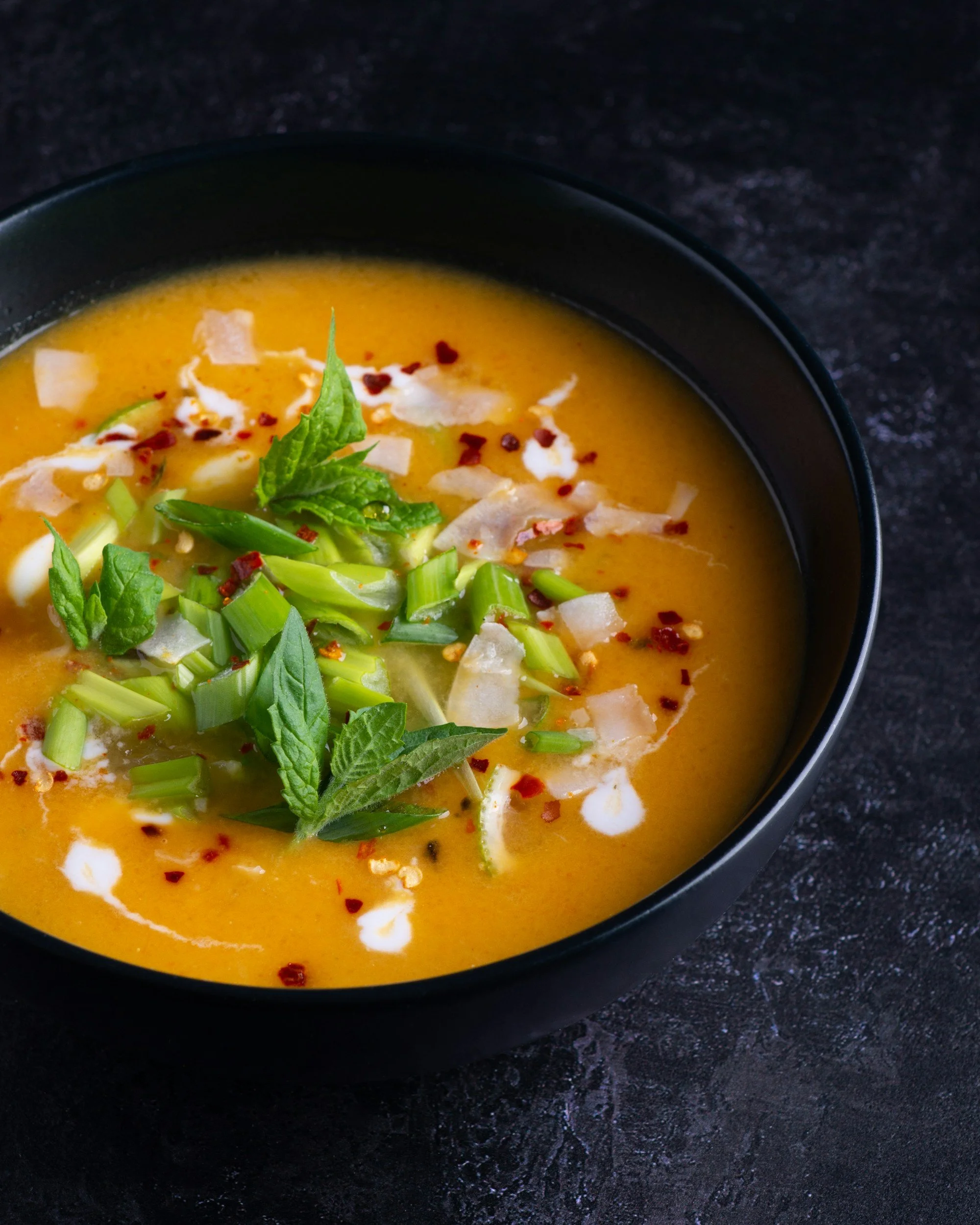
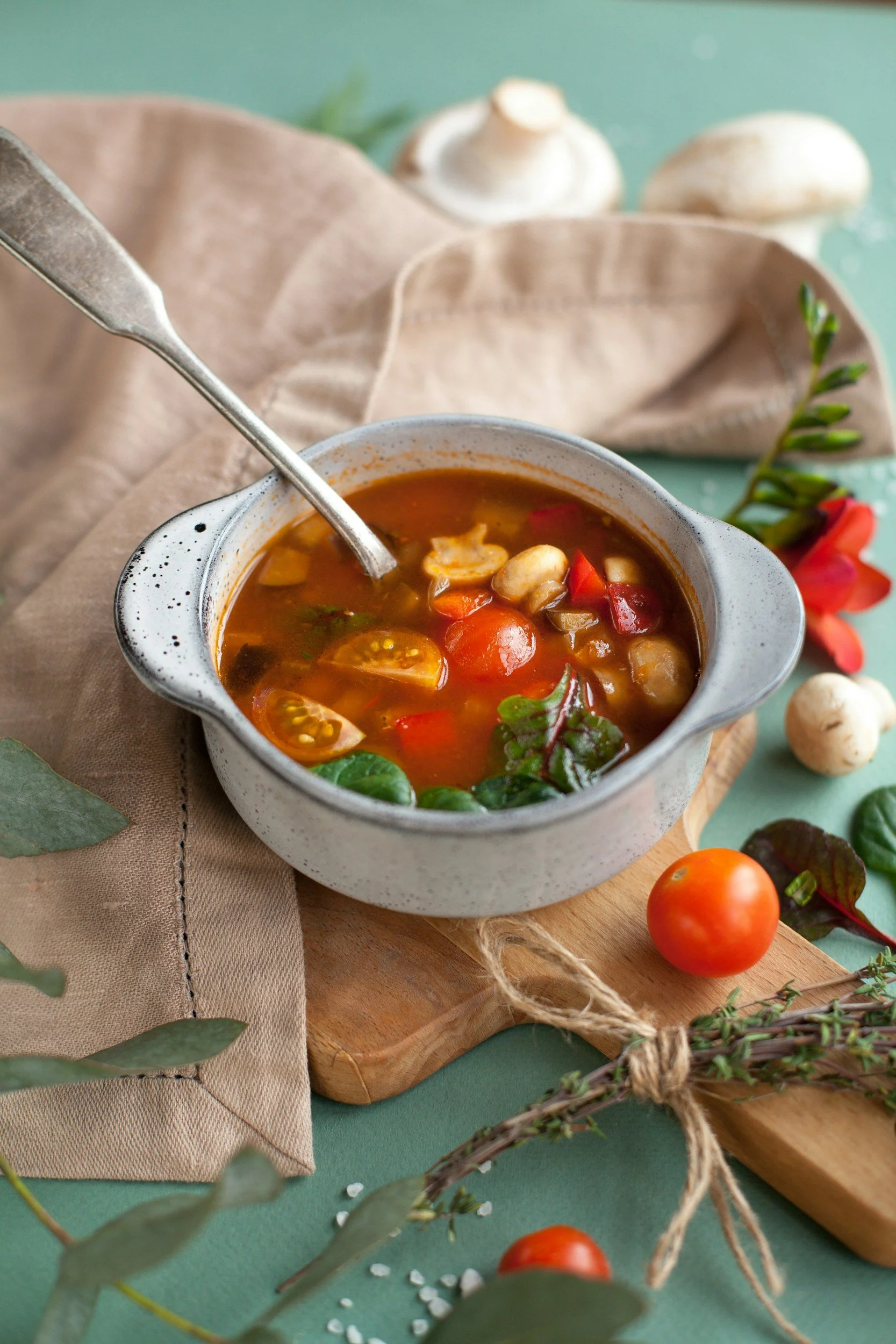
Soup deserves its own spot. Whether it is used as a start to a multi-course meal or a standalone lifesaver, hot or cold, soup is a special dish. Most of the world would agree.
It is also an incredibly versatile dish. You can start by researching and shopping for it, or just checking what you have—both will make a delicious meal. Often, the difference between a stew, a soup, or even mashed potatoes is simply the amount of liquid involved.
The Three Levels of Effort
The Instant Magic: Toss things into the Instant Pot or Crockpot and let it do its work. Yes, there are adjustments, and I have a plan when I put things in the pot, but it really is basically this simple.
The Roast & Blend: Roast the vegetables of your choice, combine with broth and seasoning, and blend. This is fast, elegant, and very simple.
The Best Soup (The Flavor Developer): For the best results, start by sautéing, searing, or browning your onions, vegetables, and proteins in the right order to coax out extra flavors.
De-glaze: Use broth, water, or real wine (don’t bother with "cooking wine") to lift those flavorful bits off the bottom.
Simmer: Add firm vegetables and meat until close to done before introducing quicker-cooking ingredients and herb bundles.
The Finish: You have the choice of making it a cream soup by blending it or leaving it chunky for more interest for the eye and palette. Or, reserve some solids and blend part, then recombine. Top with croutons, roasted seeds, and fresh herbs.
The Golden Rule: Use the liquid to your liking. If you want it heartier, use less liquid, thicken it with a flour or cornstarch slurry, and call it stew.
The Spectrum: Inspiration & Landmarks
Use these as a starting point. For every name on this list, there are endless variations. Find the version that works for your kitchen.
Soups (Light & Clear)
Tomato Soup
Chicken Noodle
Miso
Flädlesuppe (Pancake Soup)
The "In-Between"
Corn Chowder
Lentil Soup
Split Pea
Cabbage Roll Soup
Stews (Solid & Thick)
Classic Meat & Veg Stew (or skip the meat)
Chili
One-Pot "Helper" Dishes
Ideas for Exploration:
Comfort Dumplings: Maultaschen, Verlorene Eier (Poached Egg), or Griesknödel.
The "Dish-to-Soup" Pivot: Stuffed Pepper, Lasagne, or Cheeseburger soup.
The Purees: Pumpkin-Carrot-Ginger, Butternut, or Potato (with or without bacon).
Different Nationalities: Endless options, fascinating flavors. Have fun exploring. Thanks to the internet, recipes are easily obtainable
Before Ramen Existed: The "Quick-Fill" Dumplings
Before instant noodles were in every pantry, these were the "emergency buttons" of the kitchen. If you have a pot of broth (like the Kitchen Gold) but need a more substantial meal, these dumplings turn a liquid into a lunch in under ten minutes. No rolling pin, no mess, just pantry staples.
1. The Flour Drop (The "Five-Minute" Hero)
This is the absolute baseline. It’s essentially homemade pasta without the work.
The Logic: Whisk 1 egg with about 3–4 tablespoons of flour and a pinch of salt until you have a thick, sticky paste.
The Move: Use a small spoon to "drop" little blobs into your boiling soup. They’ll sink, then pop back up to the surface when they’re done (about 2–3 minutes).
The Result: A rustic, chewy "cloud" dumpling that soaks up the flavor of the broth.
2. The Bread-Salvage (The "Zero-Waste" Filler)
The perfect use for that half-loaf of crusty bread that’s starting to feel like a rock.
The Logic: Dice your stale bread into small cubes. In a bowl, mix 1 egg and a splash of milk, then toss the bread in to soak for 5 minutes.
The Move: Squeeze the mixture into small, firm balls (about the size of a walnut) and drop them into simmering soup for 5 minutes.
The Result: A dense, hearty dumpling that feels like a "real" meal.
3. The Pancake Ribbon (Flädle)
If you have a leftover savory crepe or pancake, don't throw it away.
The Logic: Roll the cold pancake into a tight "cigar."
The Move: Slice the roll into thin ribbons. Place them directly into the serving bowl and pour the hot soup over them.
The Result: Elegant, silky ribbons that add texture without any extra cooking time.
A Note on Griesknödel (Semolina Dumplings)
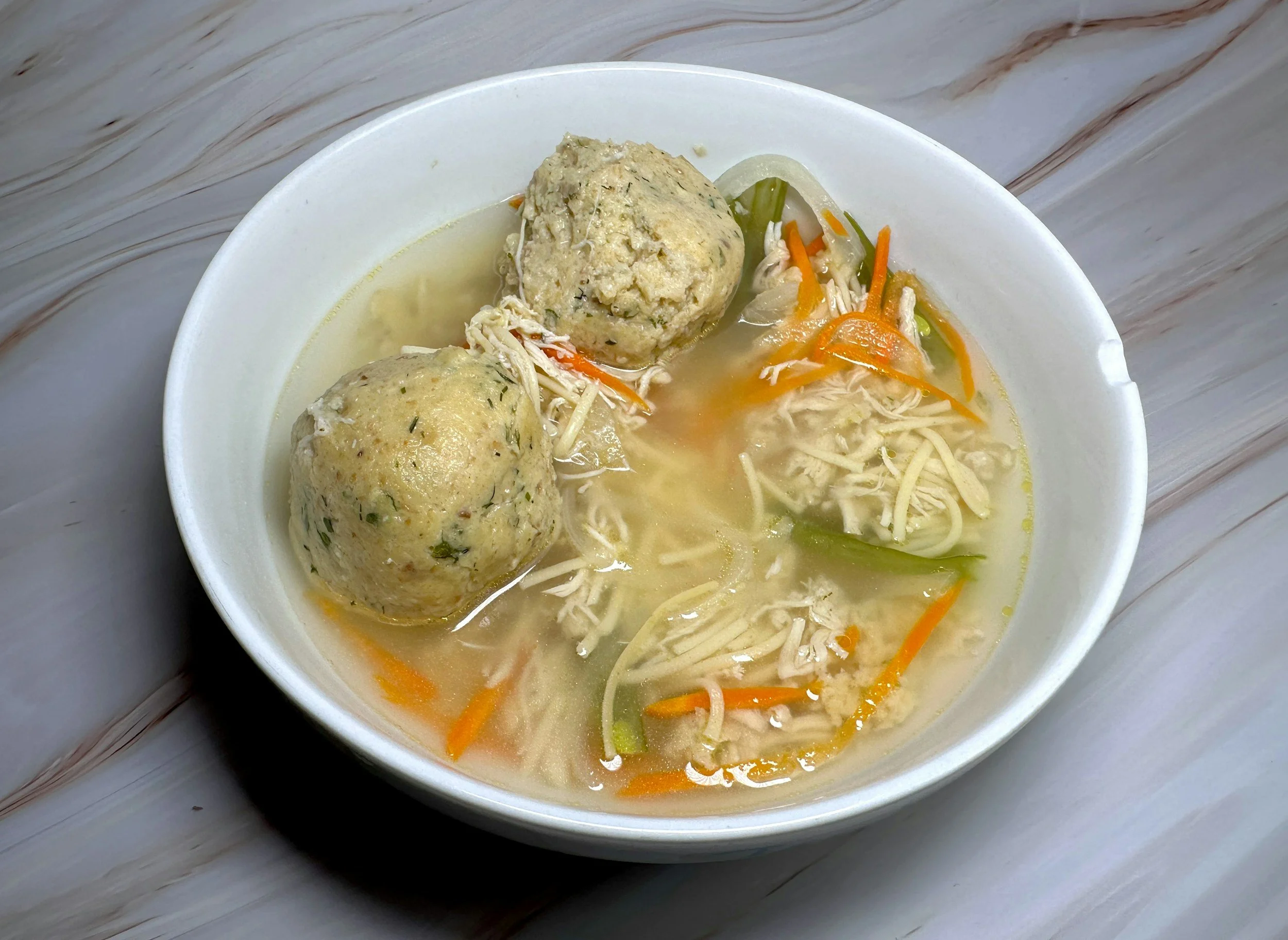
People often ask if these are the same as Matzo balls. They are "cousins" in the dumpling world—both are super-efficient ways of turning water (or broth) into a meal—but they have different personalities:
Matzo Balls (Kneidlach): Made from ground unleavened bread. They are a staple of Ashkenazi Jewish cuisine.
Griesknödel (Griessnockerl): An Austrian/German specialty made from semolina (durum wheat), eggs, and butter, usually flavored with nutmeg.
The Difference: Griesknödel are generally fluffier and softer. They are the stars of the Alpine beef broth tradition. If you have five minutes and some semolina, you have a meal.
Check out this Semolina Dumpling Recipe
The Soul of the Pot
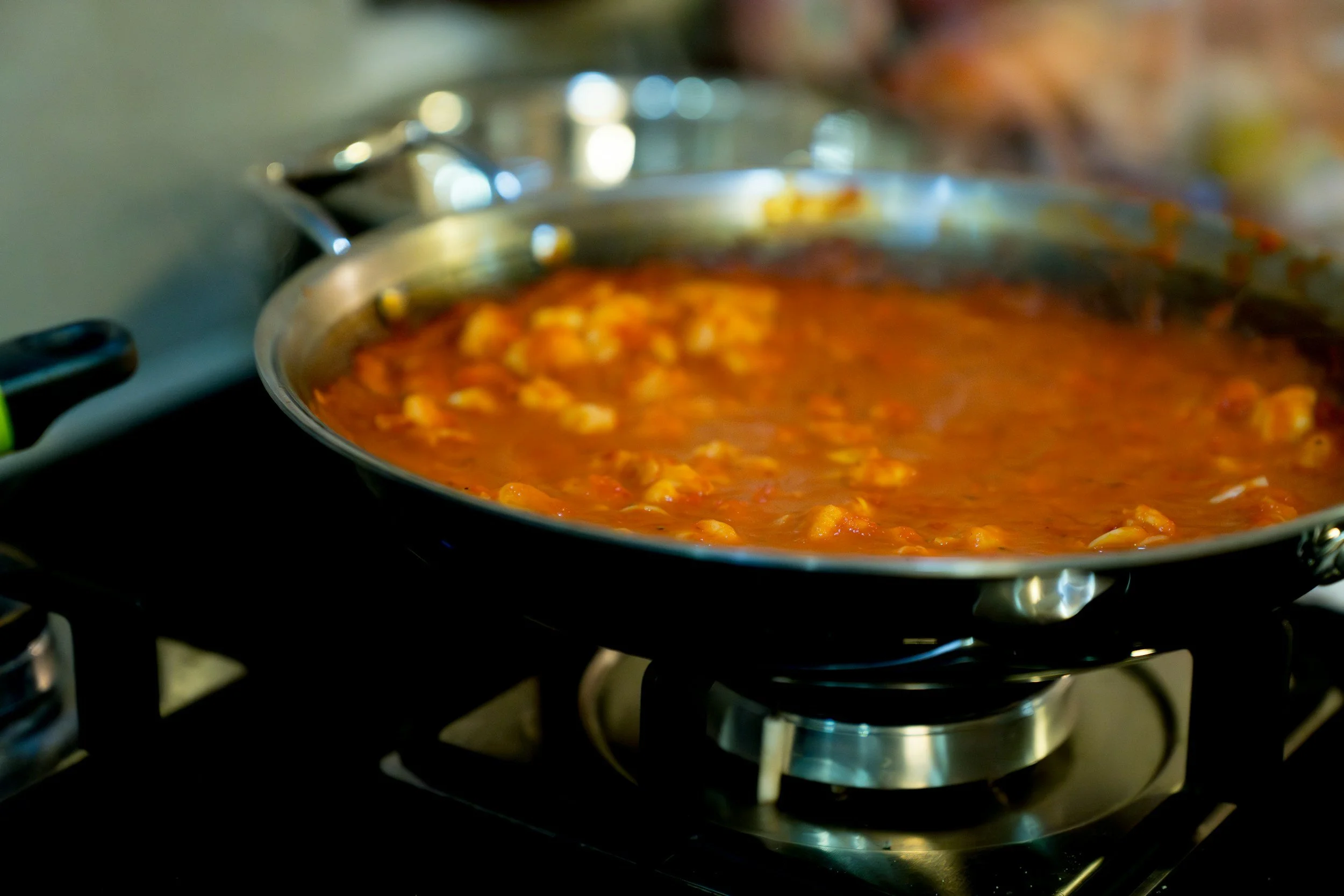
On cold and/or very busy days, I often have a big pot of thick soup, or stew, or a hybrid of the two in the crockpot or Instant Pot on "warm." Together with fresh bread or biscuits, it offers solid nourishment whenever anyone needs or wants to eat. It provides a soul-nourishing factor that lets us go that extra mile.
The "Don't-Call-It-Chili" Chili
In our house, the name of this dish is a moving target. I just call it Dinner, or ‘One Pot’ if it is available all day. It is a hearty, high-protein fuel source that keeps the light on without the insulin crash. Perfect for really long days, especially if they are also cold with many outside activities. I used to call it Chili, but we all know there are rules and expectations…
The Build: Hamburger, a mix of beans (Kidney, Pinto, Black -whatever you want), and onions. I prefer more beans than burger; others like it the other way around. You do you. Tomato Sauce, crushed Tomatoes, fresh Tomatoes, Tomato paste
The Bulk: Shredded carrots (small enough to hide from protesters), frozen corn, and sometimes even potatoes to keep the "meat-and-potatoes" crowd happy. Totally optional.
The Spices: Garlic, Onion, Cumin, Paprika, and a secret hit of Garam Masala for depth. Salt, Pepper, Sugar (yes), and you can make some final adjustments before serving with Ketchup - sometimes it is what it needs to be ‘just right’ and - I have read that some use Chocolate as their secret ingredient. I have not yet tried that, but why not.
The Heat: Cayenne or home-canned Jalapeños (check your heat index first!).
The Finish: Serve hot with sour cream, grated cheese, and salsa on top.
Soup/Stew as Resilience
If there is a chance the power might go out, or a storm is coming, make a big pot now. While others are running to the store for ‘bread and milk’, you can be baking a double batch of bread and simmering a "One Pot" of your choice.
It provides more than food for a couple of days. It is easy to reheat and even better later, but you can eat it cold, too. There is a comfort and security in knowing that you don’t have to worry about feeding the family. Dinner is ready, power or not.
In emergency situations, it also makes a perfectly good breakfast or lunch. With a little creativity, it can be adjusted easily to give it variations.
The Foundation: Broth & Liquid
Think of your liquid as an opportunity. While you can certainly buy stock, the best broth often happens right in the pot while you're making dinner.
The Natural Conversion: When you start with a "bag of bones" or a whole chicken, you don't need fancy store-bought stock. Plain water is your friend here; as it simmers with the meat and vegetables, it becomes the broth.
The Concentration Warning: Be careful with using store-bought broth to cook meat—it can often become too concentrated and "heavy." Let the ingredients in the pot do the work of flavoring the water.
The "Second Life": Once you've cooked your meat or bones, don't throw that liquid away. Use it to cook your pasta, rice, or dumplings. It "kicks it into a different game" by soaking that deep flavor directly into your starches.
Vegetable Base: Don't throw away your vegetable scraps. Onion skins, carrot ends, and celery hearts can be simmered into a light, clean base that stays in the background and lets the main ingredients shine.
A Note on Broth: It’s a Process, Not a Product
Modern recipes often list "1 carton of broth" as a required ingredient. This is a bit of a "copy-paste" trap. In a working kitchen, broth is a byproduct. * The Natural Cycle: When you cook a chicken or simmer bones in water (keep that chicken carcass or other bones—some even freeze them for a bigger batch of bone broth), the broth happens automatically. You don't need to buy it; you just need to keep it. Similarly, for vegetable broth. The steam or cooking water has flavor and nutrients.
The "Kitchen Gold": Eat the meat, then save the liquid. It can be used immediately for soup, used to cook pasta or rice for a massive flavor boost, or frozen for a day when you need a "lifesaver" soup.
Real vs. Treated: Store-bought broth is often treated with preservatives and excess sodium to keep it shelf-stable. Broth made in your own pot is "just broth"—pure, nutrient-dense, and exactly as salty as you want it to be.
Don't buy what your kitchen is already giving you for free.

Quick Bread - Hack
You get home, you’re hungry, you’ve got the pot on the stove, and you realize bread would be the perfect addition—but you have zero time or patience for yeast dough.
No problem. This is what Quick Breads are for.
The Super-Quick Base:
2 cups flour (All-purpose)
2 tsp baking powder
1 cup milk (Even better with yoghurt plus enough milk to make it a firm-ish dough)
½ tsp salt
Optional but incredible:
½ cup shredded cheese
A handful of bacon pieces, ham, pepperoni, or whatever you like.
The Process: Mix the ingredients together and bake in a loaf pan at 375°F (190°C) until golden.
The "Fast-Forward" Variation: Bake the batter in a Waffle Iron. The waffle iron is a super fast-forward device for almost any dough. It creates amazing texture and cooks in a fraction of the time. This is also the ultimate "hack" for a lightning-fast grilled cheese.
Serving Suggestion: I make these as waffles most of the time, when I don’t make rolls, because it’s just that quick. They are the perfect companion to soup, stew, or salads. Drizzle them with sour cream or dressing, make a dip, or go traditional with maple syrup. It’s entirely up to you.
The Dip & Sauce Formula
If you have a base and a flavor, you have a dip. It’s the easiest way to make "just vegetables" feel like a full meal.
This is only a rough guideline; your ingredients and imagination are the only limits. Sauces and Dips can transform simple foods into experiences - and hopefully good ones.
1. The "Cool" Base (Dairy or Alternative)
The Base: Sour Cream, Plain Yogurt, or Mayo.
The Flavor: * Ranch Style: Dried dill, garlic powder, onion powder.
Zesty: Lemon juice and cracked pepper.
Taco style: Cumin and chili powder.
2. The "Umami" Base (Oil & Savory)
The Base: Olive oil or a neutral oil.
The Flavor:
Asian Style: A splash of Soy Sauce, ginger, and a drop of honey.
Mediterranean: Balsamic vinegar and crushed garlic.
The Living Dip: Use the brine from your fermented cabbage.
3. The "Red" Base (Pantry Staples)
The Base: Tomato Paste or blended Canned Tomatoes.
The Flavor:
Quick Marinara: Oregano and Garlic.
Spicy: Red pepper flakes or jalapeño.
The Shortcut: If you already have a jar of salsa or marinara, just add a spoonful of Greek yogurt to it to make it a "Creamy Red" dip for those waffles.

Pumpkin Pie frozen Smoothie
-
Recipe Ingredient Notes
1 cup yoghurt
2 cup pumpkin puree frozen
⅓ cup milk
1 teaspoon pumpkin pie spice
½ cup whipped cream for topping -we also put some in the smoothie
1 teaspoon cinnamon for topping
-
Cooked pumpkin or winter squash, some milk of your choice, all the fall spices of your choice and some heavy whipping cream. At this point you can decide if you would like to use it as a savory soup or as a desert like shake or smoothie. A little sweetener is all it takes for a delicious drink. More whipped cream on top if you wish. Partly frozen squash is also amazing. We do this often with fruits like peaches
And if you wanted to, with a couple of eggs, this would be filling for pumpkin pie.
Roasted pumpkin or winter squash is incredibly versatile. It's the perfect starting point for a variety of delicious dishes.
Sweet or Savory: Simply combine roasted squash with your choice of milk, add a touch of sweetness (honey, maple syrup) and spices like cinnamon, nutmeg, and ginger, and you have a creamy base for a sweet soup or a decadent smoothie. Feel free to add a scoop of ice cream or a handful of fruit for extra indulgence.
Hearty Soup: For a savory soup, add broth, salt, pepper, and your favorite fall spices. Sautéed onions and peppers add a wonderful depth of flavor. Fresh ginger is a fantastic addition to both sweet and savory versions.
This simple purée is a blank canvas for your culinary creativity. Enjoy the journey of experimentation and discover your own unique flavor combinations!

Pasta and Rice Dishes
-
You have choices. Cook your pasta or rice and drape your roasted vegetables with or without proteins over the carbs, finish with sauce of your choice and a sprinke (or more) of cheese.
OR, you can put all your ingredients in a pot (instapot or rice cooker is awesome here) with your seasoning and 1 cup water per 1 cup pasta, and you have your meal ready when the pot is done. Water: pasta ratio might vary depending on the shape.
-
Unlimited. But for some ideas:
Use Broth (chicken, beef, vegetable) instead of water to cook the carbs.
Stir fry the carbs with vegetables (and protein if desiered) and crack a few eggs on top, stiring them in → egg-fried. Finish with cheese-melt.
Vary seasoning. Italian, Asian, whatever you like. This alone turns one basic recipe in a completely different experience.
Add beans, nuts seeds.

More Salads
-
Pretty much whatever you have can be made into a salad. Greens are wonderful, but not essential. Change it up for variety, and pay attention to colors, textures, flavor combinations to make a meal an experience.
Remember that a quick blanching (dipping firm vegetables in boiling water for a short time) even vegetables which would be too firm to consume raw, become perfectly tender to incorporate in salads.
-
A special treat, and it is so simple. Drizzle hot Olive oil or some hot Bacon “oil” (grease) over your salad, plus some flavorful dressing (hot or cold) and this is just about it. Complete with Bacon bits, Croutons, or topping of your choice. Tip: Keep in mind that Bacon grease as oil solidifies as it gets cold. Coconut oil does too. So you don’t want to use it on items that are really cold.. room temperature would be better, or consider mixing the grease with an oil, just enough to flavor it.

BEST EVER ZUCCHINI BREAD RECIPE
A great way of getting Kids (of all ages) to eat their vegetables
A recipe section would not be complete without a good Zucchini bread recipe. This is how even my kids like Zucchini. Or carrots and other vegetably things. And sometimes I even use Beets, call it “Red Velvet” and get away with it …
If you pay attention to the many different “Best” or not versions, the recipe is pretty much the same most of the time, with slight changes. This is not a copy issue, but some things work a certain way, and that’s just the way it is. This also means you can make some small changes. Nuts are always optional, I leave them out. I always put in more vegetables. -just enough dough to glue them together, basically. Just keep the moisture balance in mind. This also makes great muffins. Play with it, practice, and you’ll be a pro in no time, finding what you and your family like.

There is nothing quite like fresh super sweet corn
How to best freeze corn
SBH
I have tried all kinds of things, the only way to have corn taste just like fresh corn, is to cut it off the cob and freeze it raw.
Make sure to only put a moderate amount into a freezer bag and freeze it flat. This way you can easily break it up and only take out what you want. No need to thaw it, just toss it into something very hot and be amazed at how it tastes like it should.
Corn, especially our corn is better frozen and not canned. I tried it. The sugar content is too high for the high processing heat and scorches. It’s usable, but not wonderful.

Tomatoes also freeze well raw
How to best freeze Tomatoes
SBH
When there are tooooo many tomatoes.
What I found works best, is to toss them in the Blender and blend until you can’t see any skin, and barely seeds. You can then strain if you like.(Keep in mind for canning tomatoes you must remove the skin)
If you like, add your tomato paste and herbs and onions, garlic for sauce now, if you are going to use it from the freezer, or just freeze the blended tomatoes plain for greater versatility and the option of canning them later to make room in the freezer. And that’s it. It is so simple, that there is no reason to not have fresh tomato sauce in the winter.
I personally make some with the herbs, onion, garlic and peppers because these all freeze well raw, and while I freeze some of those separate, it makes it that much easier to just toss in a pot and go. I do like to finely dice these things, or just pulse in the blender for a little texture. This is up to you how you like it.

Here's another delicious way to use fresh zucchini: Turn it into a spicy soup with mint, cilantro, and jalapeño. Serve it hot or cold!
Spicy Zuccini Soup
Submitted by Jennifer P.
Jennifer says “Good way to use up lots of squash quick. Really good with the day-old bread.”
Thank you Jennifer. This looks really good.

Yellow Squash Soup
Submitted by Amanda W.
Thank you, Amanda.. This looks better than the original version.
“We made this for dinner tonight -- it was delicious and used up a bunch of squash! As you can see, we doctored it up a bit. We added some of the corn, fresh basil, kale chips, cayenne, and some pan-fried cheese. Mmmm.”
I asked Amanda about the amazing looking Kale chips, and here is the answer she generously shared: “ I like to play with the flavors by using different spices, but for the most part it's just oil, salt, and any other seasoning. A version we make often is with sesame oil or olive oil, salt, sesame seeds, and red chili flakes or cayenne. We bake them at 375 F on the top rack for about 12-13 minutes. (I don't actually time it, but Carl said 13 minutes is the sweet spot, haha!) “
This sounds very tasty. Thank you Amanda.

Zucchini Enchiladas
by Lucy Anne H. Thank you.
From here
This is a brilliant idea, and looks Ohhhhh so goood.

Caramelized Zucchini Flatbread
This inspires so many variations. Find the recipe here

For the southern souls
Fried Squash
Squash recipes are not complete without something fried. Recipe is from here

This is my husband’s favorite, only we use a lot of onion as well. SBH
SIMPLE SKILLET ZUCCHINI AND YELLOW SQUASH
A very quick and simple recipe
You can cut it like this, or cut it in rounds. I find it cooks best very thinly sliced with the Food processor.
Squash, Zucchini and easy Bread and Butter Pickles

Zucchini-Lentil Fritters with Lemony Yoghurt
Shared by Su Lin H. Thank you
Here is where you find the recipe

Squash Salad
Shared by Su Lin H. What a great idea. Thank you.
Lovely green and yellow zucchini salad from my latest CSA bounty from Stefanfarms! Delicious!!
“Easy shaving with a vegetable peeler” says Su Lin
Later, a friend to me that you could prepare squash as shown, but then turn it into tasty chips.

Pattypan Squash Pie by Laura P. Thank you
Pattypan Squash Pie
Laura P. “Stefanfarms it is so good! Not as sweet as pumpkin pie and it has a smooth buttery flavor because of the pattypan. Here's the recipe i used
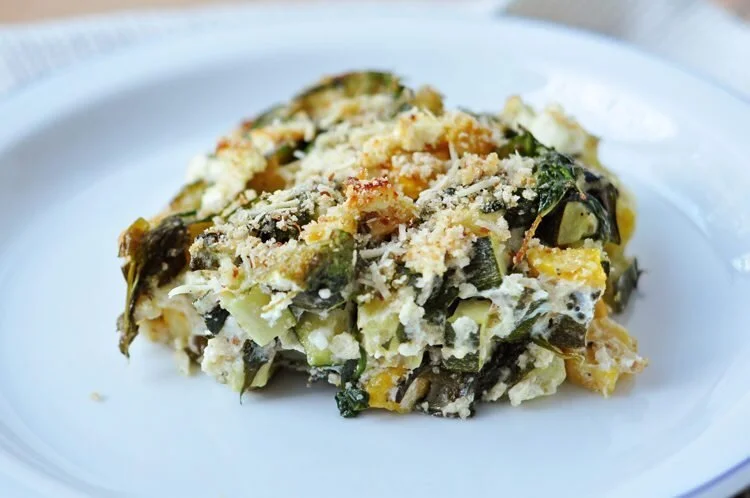
Get the recipe Here
Baked-Zucchini-Spinach-and-Feta
“I love the squash! I’ve made several variations of the following recipe. Basically just squash, eggs, various cheeses and fresh or dried herbs. Sometimes with rice or bread crumbs.”
Shared by Jennifer P. Thank you

Post Workout meal
My post workout meal: fresh eggs from our chickens and zucchini from Stefanfarms!
Shared by Philip P. Thank you

Easy Bread and Butter Pickles
Note: Link removed. Please find a tested recipe in the many canning sources on top of the page.
Pumpkin

Image from here
Pumpkin preparation for filling from real, fresh Pumpkin /SBH
It’s that time of the year already. Pumpkins! Have you ever made a pie with fresh Pumpkins? That’s a world of difference from canned contents. However, besides being a processed food, those cans do not contain Pumpkin. That stuff is made from the Longneck or super sized Butternut that we also grow. Try some of those for pie too. Still a huge difference from the cans. Sooo goood. But there is a trick. When I first made pumpkin pie from fresh Pumpkins, or even Butternut/Longnecks, it did not taste like it should. It was “squashier” than it should have been. I’m not going to describe the journey figuring it out, but it was experimentation and I want to share it with you so you don’t have to. It is very simple. The pumpkins need to be blended to serious “mush” with a good blender or Immersion Blender. That’s it. When the fibers are broken down well, the squash taste vanishes.
Also keep in mind that fresh vegetables will have a higher water content and be ready to adjust the liquids to less, or slightly increase the dry ingredients to balance the recipes. Now you just need to find your favorite recipe and start baking. And there is a good chance that you don’t ever want a pie from canned pumpkin again.

Link removed
For canning, please find a tested recipe. Germany does not have such things as USDA or Ball, so we did not know better. Don’t risk winging it.
Sweet and Sour Pumpkin/SBH
This is a recipe I made, starting at a very young age, from regular big pumpkins. When I was young at least, I had never heard of Pumpkin Pies. As far as I know, Germans did not make those, even though they had to be around. We also did not have Sugar Pumpkins. But we pickled the big ones. This turned into a tradition, since these pickled pumpkins are incredible with some cheese of your choice and maybe some crackers. They go well with most things, even meat or cold cuts, changing the whole into something “more.”

kaddo-bourani-pumpkin-with-yogurt-and-meat-sauces
Thank you, Amanda W. for http://habeasbrulee.com/2006/10/20/kaddo-bourani-pumpkin-with-yogurt-and-meat-sauces/
This is a “must try” dish. Very different, and a nice change from the limited standard traditional pumpkin use.

Shared by Baerbl R. Thank you. Delicious.
Pumpkin Spice Latte
2 Tbsp pumpkin puree
2 Tbsp maple syrup
1/2 tsp pumpkin pie spice
1/2 cup milk
2 shots espresso (or 1/2 cup dark coffee)
Optional: Whipped cream
Instructions:
Make espresso, or brew the darkest coffee you have
Combine pumpkin, syrup, pie spice and milk in a large mug. Steam and foam milk using espresso machine. Or, heat milk mixture in the microwave for about 30 seconds until hot, then use an immersion blender or whisk to froth.
Pour espresso or coffee into foamy milk.
Top with whipped cream and a sprinkle of pumpkin pie spice.

Portuguese-Kale-Soup
From Amanda W. Thank you Amanda
The Best Ever Turkey by Alyssa B.
Thanks for sharing Alyssa
“Happy Thanksgiving! I had made vegetable stock with your carrot tops and various other vegetables during the summer and froze it, and we used it as the brine for our turkey this year! my whole family said it was the most flavorful turkey we had ever had - all thanks to your veggies!
In the past we had just used store bought, but this made all the difference! Feel free to write it on the recipe page!
Hope you have a great day”